There is a moment in the majority of safety and security supervisors' professions when the waste containers begin to trouble them. Not due to mess, yet as a result of the sheer volume of disposable PPE accumulating day after day. Boxes of made use of nitrile and latex handwear covers, sleeves, respirator filters, wipes. It's the visual proof that safety jobs by adding material into the environment, not taking it out. The concern isn't whether to secure individuals, that's non-negotiable. The inquiry is exactly how to secure individuals while also maintaining belief with ecological duty and the budgets that fund the program. Metrics are the bridge that allows you do both.
The best ecological metrics for PPE programs are practical, very easy to validate, and connected to functional decisions. Many companies start with an easy matter of PPE Gloves eaten, then tack on waste volumes. That's a start, but it will hardly ever transform provider habits, purchasing, or frontline use. To open genuine improvement, you'll require dimensions that direct directly at choices: which glove you buy, whether glove cleaning is a fit, where cross-contamination risk requires single-use, and when a circular economic climate design like Libra PPE Recycling can recover value. Determined well, these programs can cut solid waste, minimize Extent 3 exhausts, and spend for themselves. Gauged improperly, they are just an additional poster on the breakroom wall.
What to measure initially, and why it matters
If you manage PPE throughout numerous websites, you're stabilizing safety and security outcomes, individual approval, and expense. Environmental duty has to fold up right into those exact same goals, not sit sideways. Begin with three pillars: product flow, threat boundaries, and cost connected to ecological outcomes.
Material flow is uncomplicated: what can be found in, what is used, what leaves as waste, and what returns to the loop through reuse or recycling. Danger limits are the decisions that determine whether an item can be cleansed or should be disposed due to cross-contamination prevention rules. Cost ought to not differ; it should track to environmental gains utilizing an ROI calculator that connects waste diversion and product-life extension to budget financial savings. When these three pillars stay straightened, your metrics will press habits in the ideal direction.
I've seen groups set ambitious diversion targets without mapping where their waste in fact comes from. Six months later on they discover that 60 percent of glove waste is focused in 2 departments, and a modification in handwear cover specification combined with a recycling stream can move the needle swiftly. Excellent dimension has a tendency to reveal those pockets of opportunity.
Build a clear product balance for handwear covers first
Gloves dominate most PPE waste by matter, usually by mass also. They are the dreamland to establish your design. Inspect three systems: pieces, mass, and purpose. Parts assist you talk to individuals and supervisors. Mass aids you talk with waste haulers, recyclers, and sustainability accounting. Purpose tells you whether a glove is single-use by need or by habit.
In a mid-sized manufacturing website with 300 workers, daily glove use could run between 1,200 and 2,000 pieces. On an once a week basis, you could see 6 to 10 big bags of utilized gloves leaving the building. Multiply by 50 weeks of procedure and you are pushing 300,000 to 500,000 handwear covers a year into disposal. The mass differs by type, however nitrile examination handwear covers evaluate about 3 to 6 grams each. That places yearly handwear cover waste at approximately 900 to 3,000 kgs for a single center. Those are the numbers that get hold of focus in a management review.
You can go deeper, and it is worth the initiative. Section handwear cover usage by process: item handling, wet chemistry, assembly jobs, hygiene, and QA. In the last 3 audits I ran, two processes commonly drove most of glove modifications, often because of contamination danger or a taken care of "one task, one set" policy that had calcified gradually. Mapping handwear cover modifications to jobs usually reveals where handwear cover cleaning is feasible, and where rigorous one-and-done policies continue to be justified.
Tie threat monitoring to measurable triggers
Environmental obligation fails quickly if it resembles it damages security. The repair is to specify cross-contamination prevention in functional terms that a flooring supervisor can identify. Every handwear cover that is cleaned up or reused should meet a basic examination: does the procedure retain its contamination obstacles and top quality requirements?
The best programs document clearance sets off: when a glove can be gotten rid of from service for cleaning or for a reusing stream, and when it needs to be landfilled or blazed. These triggers usually consist of noticeable contamination, contact with certain chemistries, or entrance right into a biosafety zone. Write them into the work instruction, after that track the percent of handwear covers that meet clearance.
A laboratory network I sustained established three containers at each workstation: landfilled biohazard, chemical contamination, and tidy PPE recycling. They educated with photographs and a 60-second demo at quarterly safety and security gathers. The very first month, mis-sorting was around 18 percent. By month 3 it dropped below 5 percent, and stayed there with check. Arranging quality issues because any type of cross-contamination in a PPE gloves recycling stream can wreck a batch and wear down depend on with the recycler. If you can not maintain mis-sorting under 10 percent after training and audits, go back and make a decision whether a reusing stream is practical for that job area.
Converting data right into a straightforward dashboard
It's appealing to construct an elaborate sustainability control panel. You do not need one. A tiny set of trusted metrics beats a vast report that nobody utilizes. Track a handful that respond to choices you make every week.

- PPE handwear covers provided per efficient hour by division, with a routing three-month average Percentage of handwear covers by end-of-life path: land fill, incineration, cleansing, recycling Mass drawn away from landfill each month, plus advancing year-to-date Greenhouse gas discharges prevented from diversion, using conventional exhaust factors Unit expense per defense hour, blending handwear cover purchase cost with cleaning or recycling fees and savings
Five numbers, one sight. Adjust the moment home window to match your company rhythm. Production supervisors care about regular patterns. Finance desires quarterly. EHS requires both.
Make the ROI calculator benefit the floor, not simply for finance
Finance will ask whether your program pays for itself. That is sensible. The catch is using just purchase rate deltas and disposal fees. Genuine ROI streams from 3 bars: product-life expansion, diversion of waste charges, and decrease in stockouts or final buys because your program drives better stock visibility.
A useful ROI calculator includes the adhering to inputs, a number of which are currently in your purchase and waste billings:
- Glove unit price by type and department, consisting of negotiated rebates Baseline usage rates before any treatment, determined over at the very least one stable quarter Cleaning prices per glove, including collection, transport, handling, and any kind of loss factors Recycling costs or rebates per kg, net of transportation and contamination being rejected fees Disposal expenses for land fill and for regulated waste, priced per kg or per container Emissions factors for purchase and disposal, to generate income from or at the very least contextualize ecological responsibility
Let the calculator spew out 2 results: bucks conserved per quarter and protection-hours per dollar. The 2nd metric is underrated. It straightens with safety and security outcomes while urging your group to choose equipment and processes that bring less ecological worry throughout their life process. I have actually seen programs that conserve 8 to 15 percent in year one, mostly by right-sizing glove thickness and moving a large portion into a round economic climate version. The outliers save much more, however they normally had especially bad baselines.
Circular economic climate choices: what actually works
The phrase round economic climate design covers a large range of methods. For PPE, it frequently suggests either cleaning for reuse or mechanical/chemical recycling with partners that specialize in PPE streams. Libra PPE Recycling is one instance out there that focuses on recovering value from handwear covers and comparable PPE. The choice to release a program like Libra rests on three elements: contamination profile, logistics thickness, and market security for recuperated materials.
Contamination account ranks initially. If your handwear covers often contact oils, solvents, biologicals, or hefty metals, the recycling carrier will need clear guarantee that the stream can be dealt with securely which completion materials are fit for downstream uses. This is not optional. Excellent programs release acceptance requirements and run pilot examinations with your site. If you can't hold the line on acceptance, your program will certainly bounce in between approval and denial and your stakeholders will certainly shed confidence.
Logistics density is the useful 2nd factor. Reusing handwear https://www.librami.com/shop-deals.html covers at a remote website with low quantity often fails on transportation emissions and expense. Combination throughout nearby websites or a centralized return factor addresses it, as does making use of compactors or balers for the recyclable stream to minimize journeys. I have actually viewed a circulation network go from internet unfavorable to web favorable simply by changing from weekly pick-ups at 6 websites to a single combined pickup every two weeks.
Market security issues due to the fact that recyclers require a trusted offtake for refined product. Ask the simple concern: what is the recycled result, and who buys it? If the answer is "different," prepare for cost swings and periodic stops. If the answer is a specified mix for commercial products with a stable customer, your program will certainly ride through market sound even more smoothly.
Glove cleaning: when it helps and when it does n'thtmlplcehlder 80end. Glove cleaning is not a global remedy. In certain controlled procedures, especially where gloves act as obstacle security versus particulates as opposed to harmful fluids, a validated cleansing procedure can extend glove life by a couple of usages. Think about light assembly, electronics taking care of, or QA inspections where handwear covers are transformed because of surface soiling instead of innovation. Cleaning requires recorded methods, traceability, and quality checks to ensure no residue or structural degradation. Where it stops working is heavily dirtied, solvent-exposed, or biohazard-adjacent job. The cleansing procedure adds energy and water usage, and if it can not supply a glove indistinguishable in security performance from brand-new, after that it doesn't belong in the program. Constantly examination: run a small validation with tensile strength, leak resistance, and healthy checks prior to rolling out. From an environmental metrics perspective, glove cleaning counts as life expansion. Action it by reduction in new units purchased per efficient hour, and confirm with tasting that you are not compromising safety. The price side need to consist of cleansing losses, since you will certainly not return 100 percent of gloves sent out to cleaning. A sensible path to cross-contamination prevention
The solitary biggest factor accountable PPE programs delay is worry of cross-contamination. That fear is healthy and balanced. The means ahead is specific and boring: area zoning, container layout, labeling, and regular audits. Individuals sort better when the container is within arm's reach and when it has an example picture on the cover that matches their work.
For risky locations, make use of conspicuously different containers and restrict any type of reusing stream from entering. For moderate-risk areas, produce a center path: handwear covers that saw subordinate call with clean surface areas most likely to recycling, handwear covers that touched procedure fluids go to disposal. This approach has actually operated in food processing QC laboratories, which are sensitive to any type of contamination near their product however still generate a big volume of gently used PPE.
One small style option can transform habits. In one facility, we switched out black bags for the recycling bin and utilized transparent liners. Supervisors might right away detect mis-sorted product and appropriate early. Mis-sorting visited a third within two weeks. Environmental duty, in practice, commonly boils down to these tiny, human-centered tweaks.
Emissions accounting without the drama
Executives want to see greenhouse gas numbers. Maintain them conservative and clear. For PPE gloves, your emissions have 3 main items: upstream production, transport to you, and end-of-life. You rarely have specific supplier-specific elements, so utilize published varieties with notes. For nitrile gloves, cradle-to-gate discharges commonly drop in the 2 to 5 kg CO2e per kilo of item range, depending on power mix and plant performance. Transportation can be little or considerable depending upon air versus sea freight. End-of-life emissions for garbage dump are small for inert materials like nitrile, however incineration with energy healing alters the math.
When you divert gloves right into a vetted PPE gloves recycling program, you can assert stayed clear of production of virgin product within the recycler's appropriation approach. Conventional programs debt only the portion that can be corroborated by the offtake market. That keeps your sustainability report from becoming a work of fiction. If your carrier, such as Libra PPE Recycling, provides documented exhausts savings per kilogram refined, evaluate the technique and use a hairstyle if required to stay conservative. The goal is directionally proper coverage that stakeholders trust.
Vendor selection and pilot testing that secure credibility
Choose partners thoroughly. Search for straightforward approval standards, chain-of-custody documents, and a history of managing PPE specifically. A firm like Libra PPE Recycling might present customized programs for gloves, sleeves, or various other typically discarded items. The high quality you desire shows up in the details: consistent pick-up home windows, contamination feedback, and easy-to-understand reporting that ports into your dashboard.
Always begin with a pilot. One to three divisions, 8 to 12 weeks, clear standard, and success requirements. The team on the flooring must recognize specifically how success will be judged: percent of correctly arranged material, diversion mass, prices relative to baseline, and any kind of events. Commemorate early wins with real numbers, not slogans. If the pilot looks shaky, slow down and fix the process instead of pushing range for a press release.
Data health and the misconception of ideal precision
You don't need laboratory-grade accuracy to manage an environmental responsibility program for PPE. You need fads, order-of-magnitude truth, and a practice of resolving your inputs. Usage purchase orders, storehouse problems, and waste shows up, then triangulate. If issued handwear covers in a month exceed affordable use by 30 percent, try to find surprise chauffeurs like subpar glove top quality resulting in extra changes, or a process adjustment nobody told you about.

Avoid the appeal of an overbuilt information platform before the fundamentals run well. A spreadsheet and a common schedule for pick-ups commonly outperform a custom-made application in the initial year. Once the regimen is strong, purchase automation where it plainly saves time and error.
People, habits, and the small success that remain won
You'll make the biggest ecological gains by changing a few habitual habits. In one plant, we uncovered that operators were double-gloving by default on jobs that did not require it, a technique that had started throughout a temporary test after a skin-irritation case and never stopped. A refresher, a button to a slightly different glove appearance, and noticeable recommendation from the line lead brought handwear cover utilize down by 12 percent with absolutely no rise in events. The environmental advantage was immediate. No new vendor, no complicated system, simply interest to human factors.
Recognition programs work if they are honest. Post the diversion numbers and commemorate the areas that strike their targets 3 months straight. Turn the limelight so it doesn't come to be routine. People react to seeing their initiative become concrete impact, specifically when safety still gets the highest billing.
Common pitfalls and just how to avoid them
I have seen comparable missteps throughout industries. Leaders overpromise and underdocument. Teams launch reusing in areas with high contamination, after that call the recycler the trouble when loads get rejected. Or they press glove cleansing into a process where the obstacle is chemical, not particulate, and high quality elevates a red flag. Each of these failings springs from skipping the self-control of matching threat to the ecological technique and determining the ideal thing.
Watch out for program sprawl. Handwear covers are a terrific base. Add various other PPE just when you have the training, bins, and reporting capacity to keep sorting tidy and metrics reliable. Attempting to soak up footwear covers, wipes, and respirator components at one time commonly bewilders supervisors and puzzles drivers. Pace yourself. Environmental responsibility expands more powerful when it grows deliberately.
A quick functioned example
Imagine a 500-person medical tool facility. Standard month-to-month glove usage is 220,000 items, combined nitrile kinds at an ordinary 4.5 grams each. That's about 990 kgs monthly. Land fill disposal costs run at 0.22 per kilogram for basic waste. There is no recycling or cleansing yet. Device handwear cover expense averages 0.09.
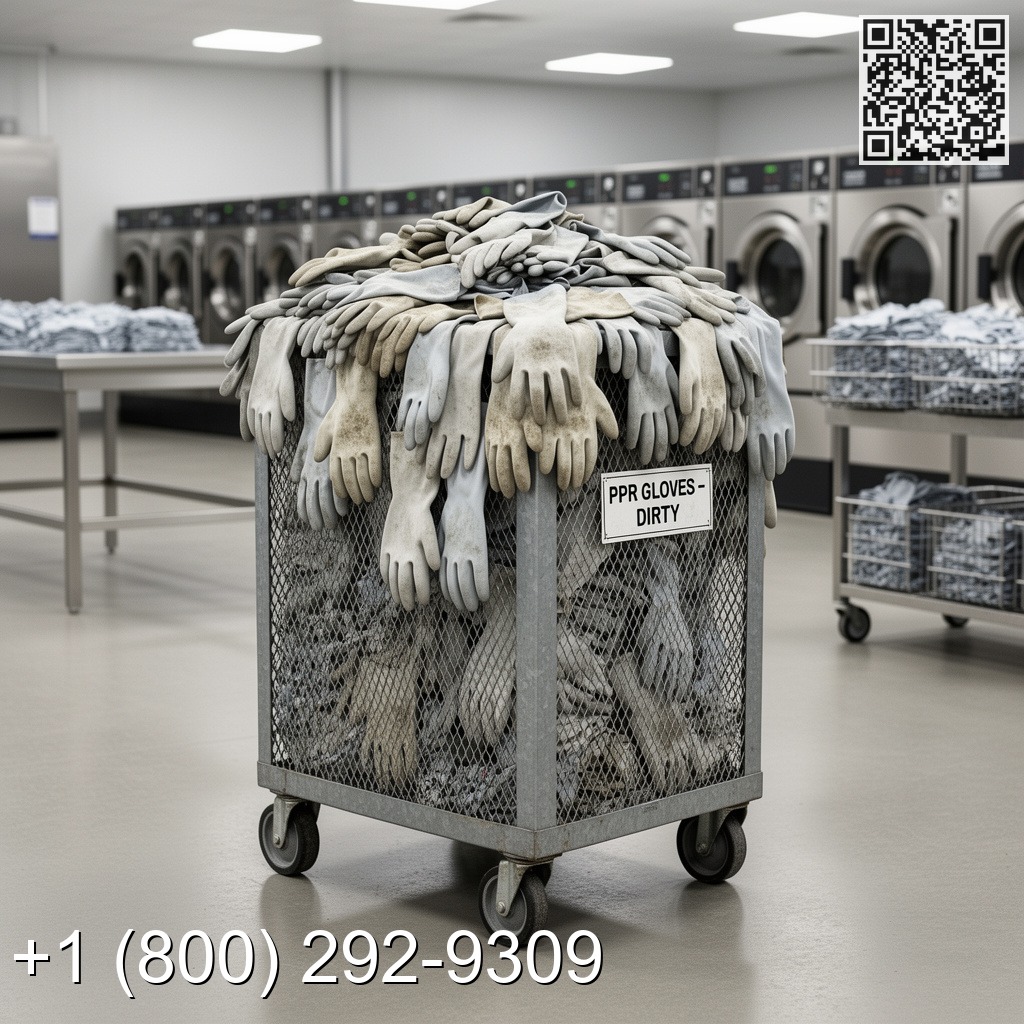
After a scoping phase, the team launches a two-area pilot with Libra PPE Recycling for gently utilized gloves from setting up and packaging, which together account for 45 percent of handwear cover usage. They implement three-bin sorting, photo labels, and brief training. After 8 weeks, arranging precision holds at 95 percent in those areas. They draw away 180 kilograms each month right into the reusing stream from the pilot zones, while general glove use stop by 8 percent after they standardize to an extra durable handwear cover and remove unneeded changes between similar tasks.
Costs change as complies with. Glove acquisitions decrease from 19,800 to 18,200 per month. Reusing expenses, consisting of transport, run 0.35 per kilogram, or regarding 63 monthly in the pilot. Disposal costs diminish by around 40 monthly due to reduced mass to landfill. On the ecological side, they draw away 180 kgs regular monthly and avoid about 360 to 900 kg CO2e cradle-to-gate exhausts if the recycler's allocation debts half to full prevented virgin product, subject to verification. They log these as a variety instead of a single number.
With those results, the ROI calculator shows a net month-to-month cost savings near 1,600 and a trajectory toward 3,000 if the program ranges throughout divisions with comparable profiles. The group writes the requirements for development, consisting of a maximum appropriate mis-sort price and clear red lines where hazardous contamination omits recycling. They bake the new glove requirement into procurement to lock in the consumption reduction.
This is the shape of success: not remarkable, but compound and defensible.
When the best response is to do absolutely nothing yet
There are situations where the ecologically accountable relocation is to wait. If your contamination account is intricate, quantities are low, and your sorting self-control is unverified, pressing a PPE gloves recycling program can backfire. Focus on upstream decrease initially: right-sizing glove density, improving donning and doffing techniques to prevent unneeded changes, and replacing outlier processes that drive waste. Step the effect for a quarter. Then reassess whether reusing or cleaning up makes good sense. Ecological responsibility worths perseverance over press.
Bringing it together into an operating rhythm
The most durable programs mix security, cost, and sustainability into one routine. Every month, the EHS lead and the buying supervisor review the five metrics: usage per productive hour, end-of-life split, mass drawn away, exhausts avoided array, and protection-hours per dollar. They contrast to last quarter, recognize one department to sustain with targeted training or procedure tweaks, and make a decision whether any handwear cover specification needs interest. They confirm pick-ups with the recycler and assess any type of contamination notes. They share a brief upgrade with flooring supervisors and acknowledge teams that hit their targets.
Nothing about this rhythm is fancy. It functions since it values intricacy without drowning in it. Over a year, the compounding result is impressive: reduced waste, more clear danger boundaries, steady prices, and a culture that sees ecological obligation as part of getting the job done well.
PPE exists to shield individuals. The most intelligent programs make that defense last much longer, price much less, and leave a smaller trace. Good metrics make it possible. With a small dashboard, a reasonable ROI calculator, and partners that can take care of the functionalities of a circular economic climate version, you can transform those complete waste bins right into less, lighter ones, and show the numbers that prove it.
Libra Industries Inc
1435 N Blackstone St, Jackson, MI 49202
+15177875675
| Place ID | ChIJt_HMH44vPYgRNbiD22DpHYo |
| CID | 9952367353767639093 |
| Business Profile ID | 6301257705288912858 |
7H9Q+2G Jackson, Michigan
| Coordinates | 42.26760060, -84.41112540 |
 Ask ChatGPT
 Ask Grok
 Ask Perplexity
 Ask Claude
 Ask Google AI
 Ask You